Main Street Isn't a Postcard: Writing Your Hometown Like Someone Actually Lives There

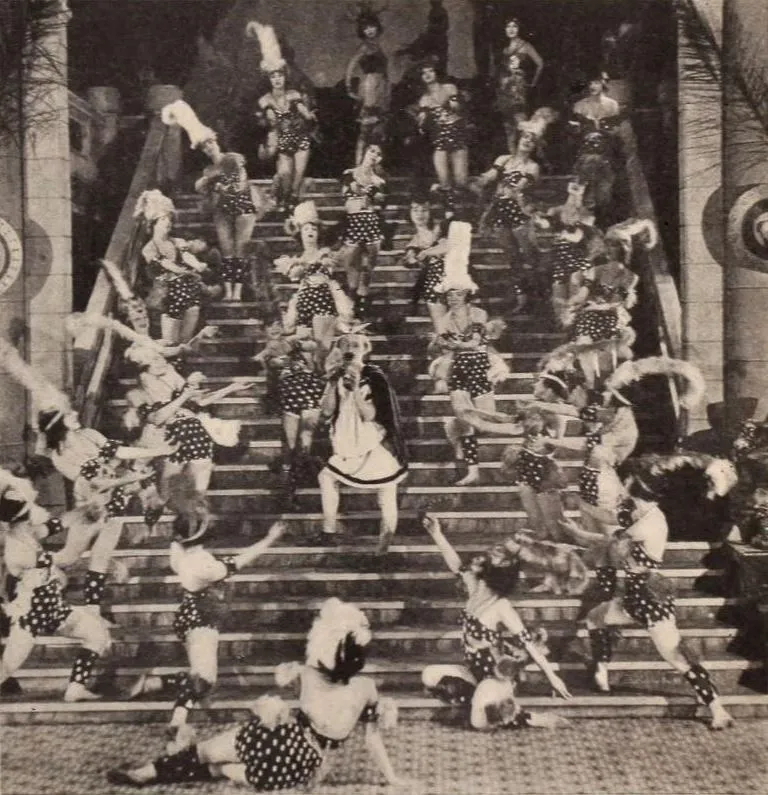
Photo: Mack Sennett Comedies / Associated First National, Public domain, via Wikimedia Commons
Every town has a writer who loves it too much and a writer who's still mad at it. Both of them produce the same essay: one long, gauzy sigh. The loving version smells like fresh-cut grass and county fairs. The bitter version smells like nothing at all, just a list of grievances in a trench coat.
Readers can spot both from the first paragraph. They scroll past. Which is a shame, because the place you grew up — or the place you live now — is one of the richest story veins available to you. You just have to stop writing it like a brochure and start writing it like a witness.
The Two Ways Hometown Writing Goes Wrong
The brochure problem: everything is charming, everyone waves, the diner on the corner is a beloved institution. There's no friction, so there's no story. Nobody wants to read a chamber of commerce newsletter with more adjectives.
The grievance problem is the mirror image. The town is a dead end, the people are small-minded, the whole thing is a metaphor for decay. It reads as a grudge with a byline, and it flatters the writer at the expense of everyone else in the frame.
The fix isn't splitting the difference. It's getting specific enough that both the love and the frustration come out in the details instead of the verdict.
Specific Beats Sentimental, Every Time
A friend of mine once described his hometown as a place where the stoplight took four minutes and everybody still ran it. That line did more work than three pages of nostalgia.
Specificity is the whole game. Not the smell of autumn, but the smell of the mulch pile behind the high school in October. Not a friendly neighbor, but the neighbor who mows a perfect stripe down the middle of your lawn and never says why. Not a dying downtown, but the exact storefront that's been three different vape shops in four years.
Try this: list ten things about your town that a visitor would never notice. The shortcut behind the grocery store. The way the whole town calls one intersection by a name that isn't on any map. The kid who's been working the same register since you were in sixth grade. Those details carry emotion for free — you don't have to tell readers how to feel.
Three Questions That Get People Talking
You can't write your town from your car. Talk to people, especially the ones who aren't in your usual orbit.
- What's changed here that nobody talks about? This gets you the real history, not the plaque version.
- What's a thing about this town that only makes sense if you live here? People love explaining their own local logic, and the answer is almost always a great paragraph.
- Where do you go when you need to think? Parking lots, riverbanks, the back row of a church, a specific bench. Places reveal what the town actually offers.
Take notes. Say the awkward thing out loud: I'm writing about this place and I want to get it right. In my experience, most people light up. They've got a story about this town too, and almost nobody has asked them for it.
Write the Potholes, Not Just the Parade
Honesty is a craft technique, not a personality trait. The pothole on Elm Street that has outlived two mayors is funny and true. The school consolidation fight that split families is harder and truer. The friend who left and the friend who stayed and neither of them being wrong — that's the stuff readers feel in their chest.
You don't have to write the darkest thing you know. You do have to write something that costs you a little. If every sentence could appear in a welcome packet, you haven't started yet.
End With a Door, Not a Conclusion
Here's where hometown essays most often die: the final paragraph. It sums everything up. It declares the place important. It closes the door politely.
Don't. Leave it open. Ask readers a real question — not what's your hometown like? but something narrow enough to answer. What's the shortcut in your town that no one admits to using? What's the building that's been empty for a decade and still has a name?
The broad question gets silence. The narrow one gets forty comments and three people emailing you privately with a story that's better than anything you wrote.
That's the real payoff of writing about a place. You're not producing a eulogy or a postcard. You're starting a conversation that other people have been waiting to have. Your town is a goldmine, but only if you dig with a shovel instead of a paintbrush.